Prep first
Separate cleanup and repair timing from pricing decisions
The cleaner your sequence, the easier it is to know which tasks need attention before you ask broader listing questions.
Explore →Use this page when the main challenge is sequencing prep, pricing, and move questions rather than deciding everything at once.
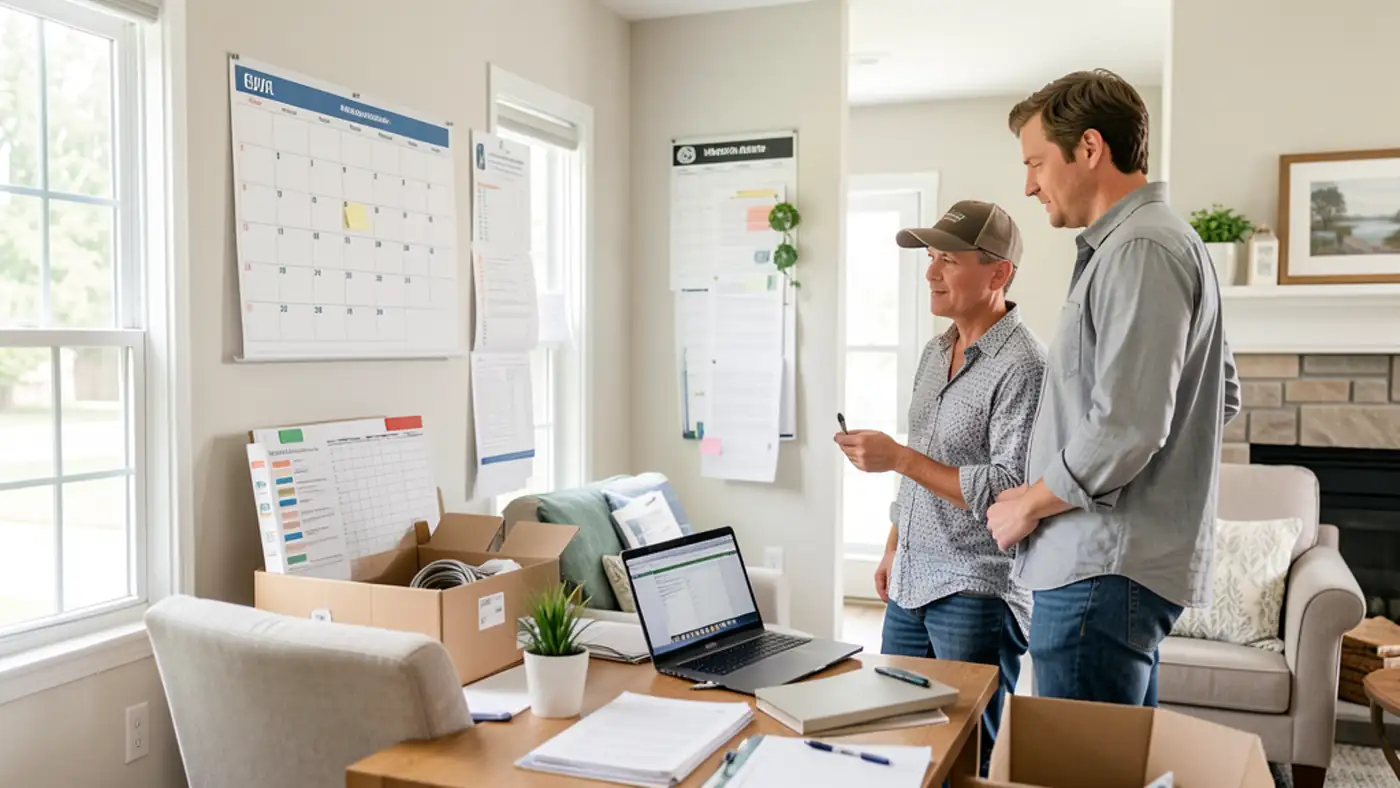
Sellers often feel behind because repairs, decluttering, staging, pricing, and move timing all compete for attention at the same time. A better timeline page helps separate those tasks into a usable order.
Start with condition and presentation questions, then decide what can realistically be completed, and only after that move into pricing and market-position questions. That sequence reduces noise and makes it easier to see where an early conversation could help with prep, pricing, or move timing.
The timeline usually moves based on property condition, how much prep is still unfinished, and whether the seller is coordinating a purchase, a move, or contractor work at the same time. That is why a sequence matters more than copying someone else’s calendar.
Continue with what to fix before selling and pricing and listing timing to pressure-test the plan.
Prep first
The cleaner your sequence, the easier it is to know which tasks need attention before you ask broader listing questions.
Explore →Positioning next
Listing timing becomes easier to discuss once the home-condition and presentation plan is less fuzzy.
Explore →